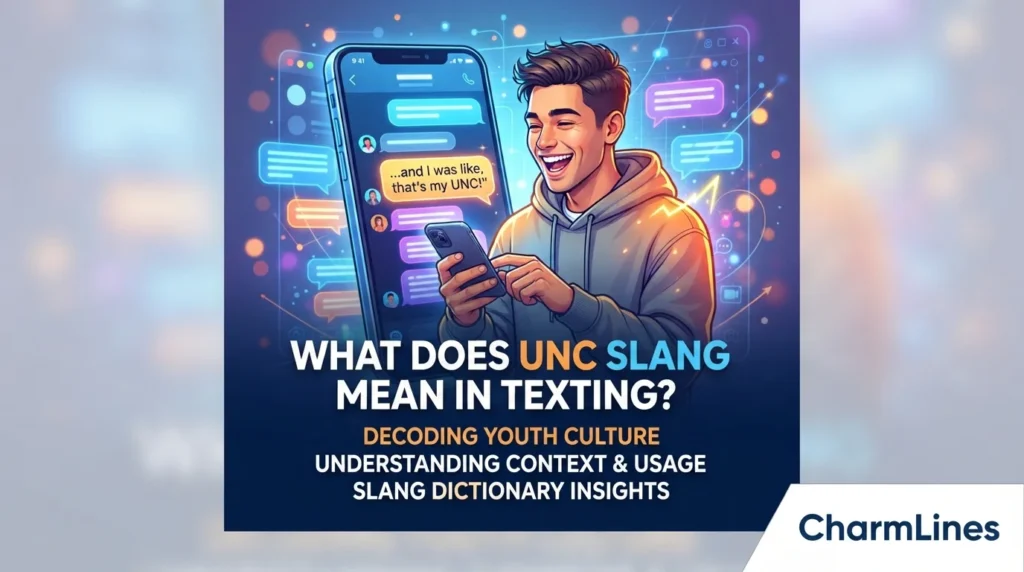
Have you seen someone comment “OK, unc” on TikTok, Instagram, Snapchat, or X and wondered what it means? Internet slang changes quickly, and UNC has become one of the most popular terms used by Gen Z and Gen Alpha. Depending on the situation, it can be playful, respectful, or mildly insulting. Understanding the context is the key to knowing whether someone is joking with you or teasing you. This guide explains the meaning of UNC, where it came from, how it is used across social media, and when you should or should not use it.
What Does UNC Mean in Slang?
UNC (usually written as unc) is short for “uncle.” In modern internet slang, it is commonly used to refer to an older man or someone who seems older, out of touch, or “past their prime.” While it often pokes fun at someone’s age, it is frequently meant as a lighthearted joke rather than a serious insult.
Simple Definition
UNC = Uncle = Someone considered older, experienced, or acting older than expected.
The meaning depends entirely on the conversation.
For example:
- “Bro is only 25 and they’re already calling him unc.”
- “Relax, unc.”
- “Unc still got game.”
Where Did UNC Come From?
The slang term unc originated in African American English (AAE), where it has long been used as an affectionate or respectful nickname for an uncle or an older male figure in the community. Hip-hop culture helped popularize the word, and social media platforms, especially TikTok, spread its newer humorous meaning during the early 2020s. Eventually, Gen Z and Gen Alpha began using “unc” to jokingly label anyone they viewed as older or out of touch.
What Does “Unc Status” Mean?
You may also see the phrase “unc status.”
It means someone has officially reached the stage where younger people see them as old or behaving like an older adult.
People jokingly say someone has reached unc status when they:
- Reference old songs.
- Complain about younger generations.
- Get excited about practical purchases.
- Prefer staying home over partying.
- Talk about back pain or needing more sleep.
- Do things younger users consider “dad” or “uncle” behavior.
The phrase is almost always humorous.
How UNC Is Used on Different Platforms
TikTok
TikTok helped make unc viral.
Creators often comment:
- “It’s over for unc.”
- “Someone help unc.”
- “Bro became unc at 24.”
These comments usually joke that someone seems older than their actual age.
Snapchat
On Snapchat, friends may call each other unc while teasing one another.
Example:
“Morning already? You’re becoming unc.”
Instagram comments commonly use unc on celebrities, athletes, or influencers who appear older, give advice, or act differently from younger creators.
Example:
“Unc still carrying the team.”
X (Twitter)
On X, people often use unc sarcastically during debates or reactions.
Example:
“Okay unc, whatever you say.”
Discord and Gaming
Gamers may jokingly call older teammates unc, especially if they are noticeably older than the rest of the group or reference older games.
Is UNC an Insult?
Not always.
The tone determines the meaning.
It Can Be Friendly
Friends often use unc affectionately.
Example:
“What’s up, unc?”
It Can Be Respectful
In many communities, calling someone unc shows respect for an older male or mentor.
It Can Be Teasing
Online, younger users sometimes use unc to suggest someone is old-fashioned or no longer understands current trends.
Who Gets Called UNC?
People may be called unc if they are:
- Older than the group.
- Acting like a parent or uncle.
- Giving life advice.
- Wearing older fashion styles.
- Talking about the “good old days.”
- Out of touch with current memes.
- Simply the oldest person in the chat.
Interestingly, many people in their 20s jokingly get called unc, even though they are far from old.
Examples of UNC in Conversations
Example 1
Person A: “I still buy DVDs.”
Person B: “Okay unc.”
Example 2
Person A: “Back in my day…”
Person B: “Unc is telling stories again.”
Example 3
Person A: “I’m staying home tonight.”
Person B: “Unc behavior.”
Similar Slang Words
If you understand unc, you may also come across these slang terms:
- OG, Someone respected for experience.
- Boomer, Someone seen as old-fashioned.
- Auntie, Female version sometimes used similarly.
- Bro, Casual way to address someone.
- Blud, Slang for friend or buddy.
- GOAT, Greatest of All Time.
Should You Use UNC?
Yes, but be aware of your audience.
Use it when:
- Joking with friends.
- Referring to memes.
- Participating in casual online conversations.
Avoid using it:
- In professional settings.
- With strangers who may find it disrespectful.
- If you are unsure how the other person will interpret it.
Summary
UNC is internet slang that means “uncle.” While it originally served as a respectful nickname in African American English for older men and mentors, it has evolved into a popular Gen Z and Gen Alpha expression. Today, it is commonly used to jokingly describe someone who seems older, acts mature, or appears out of touch with current trends. Depending on the tone, unc can be affectionate, respectful, or a playful roast, making context essential for understanding its meaning.
FAQs
What does UNC mean in texting?
It usually means “uncle” and is slang for someone considered older or acting older than expected.
Is UNC offensive?
Usually not. Most people use it jokingly, although it can feel insulting if meant to mock someone’s age.
Why do Gen Z and Gen Alpha say UNC?
They use it to tease friends, older siblings, parents, or anyone they think has “uncle energy” or seems out of touch with current trends.
Is UNC only used for men?
Mostly yes, because it comes from the word uncle, but people occasionally use it more broadly in memes and online jokes.
What is “unc status”?
It is a humorous phrase meaning someone has reached the point where younger people consider them old or uncool.

Ava Thompson is a skilled SEO Content Strategist with over 12 years of experience helping digital publications grow their organic visibility through strategic content planning and search engine optimization. She specializes in keyword research, topical authority, semantic SEO, content architecture, and audience focused publishing strategies that align with modern search engine algorithms.